
home      email      804 354-1600
Commonwealth Oral & Facial Surgery

Oral & Facial Surgery Procedures

Dental Implants


Call Us
For more information regarding Oral & Facial Surgery in the Richmond, Virginia Area.
(804) 354-1600


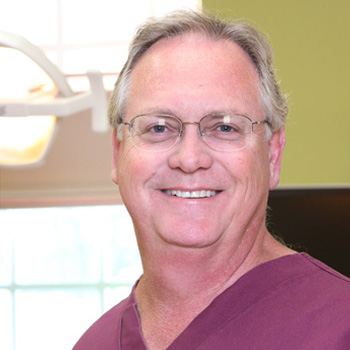
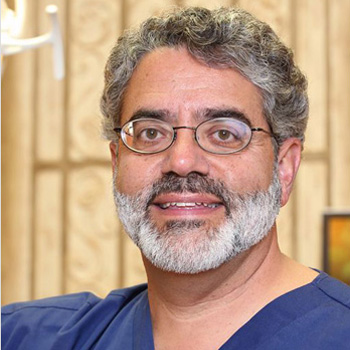
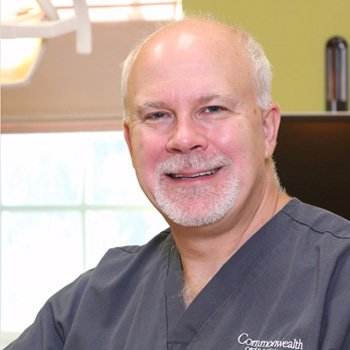
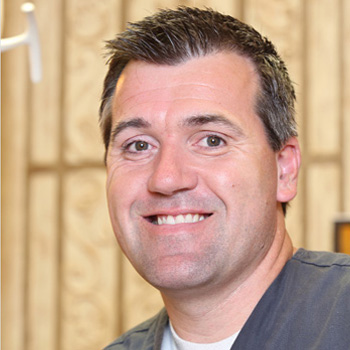
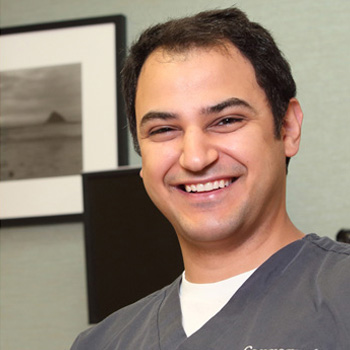
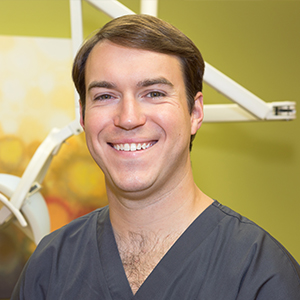
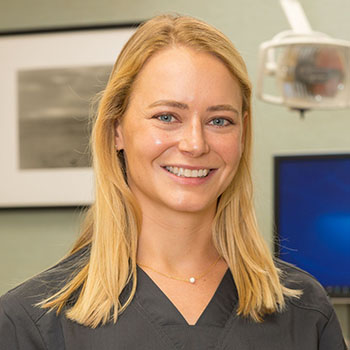
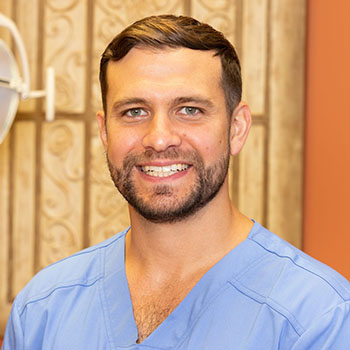
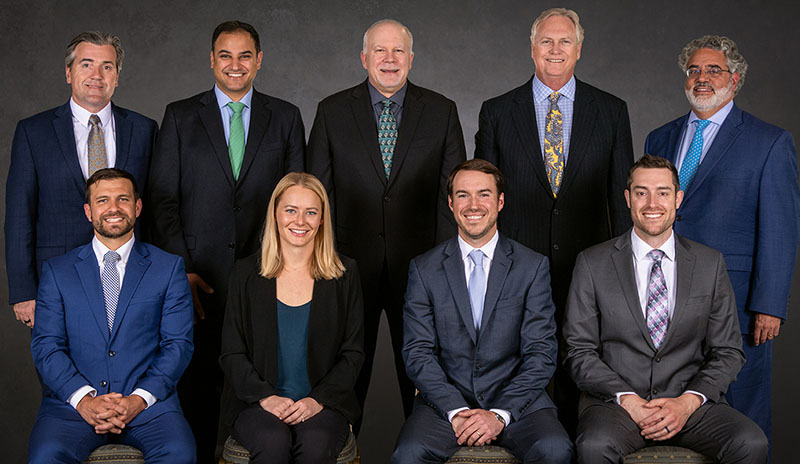
Meet our Oral Surgeons
Board Certified by the American Board of Oral and Maxillofacial Surgeons
James F. Nelson DDS >>
Michael E Miller DDS >>
Thomas A. Eschenroeder DDS >>
Gregory M Zoghby DDS >>
Kimberly S Swanson DDS >>
Jeffery E. Cyr DDS >>
Andrew Ferguson DMD >>


Dental Implant MiniModule

For a brief narrated overview of the dental implant process, please click the image below. It will launch our flash educational MiniModule in a separate window that will answer some of your questions about Dental Implants in Midlothian, Richmond & Glen Allen, VA.

Dental Implant Presentation

To provide you with a better understanding of dental implants, we have provided the following multimedia presentation. Many common questions pertaining to dental implants are discussed.

Having trouble? Please make sure you have version 7 of the Flash browser plugin in order to correctly view this presentation. This software is available as a free download.

Dental implants are changing the way people live. They are designed to provide a foundation for replacement teeth which look, feel and function like natural teeth. The person who has lost teeth regains the ability to eat virtually anything, knowing that teeth appear natural and that facial contours will be preserved. Patients with dental implants can smile with confidence.

A Swedish scientist and orthopedic surgeon, Dr. Per-Ingvar Branemark, developed this concept for oral rehabilitation more than thirty-five years ago. With his pioneering research, Dr. Branemark opened the door to a lifetime of renewed comfort and self-confidence for millions of individuals facing the frustration and embarrassment of tooth loss.

What are Dental Implants?

The implants themselves are tiny titanium posts, which are inserted into the jawbone where teeth are missing. These metal anchors act as tooth root substitutes. They are surgically placed into the jawbone. The bone bonds with the titanium, creating a strong foundation for artificial teeth. Small posts, called abutments, are then attached to the implant, which protrude through the gums. These posts provide stable anchors for artificial replacement teeth.

Implants also help preserve facial structure, preventing bone deterioration that occurs when teeth are missing.

The Surgical Procedure

For most patients, the placement of dental implants involves two surgical procedures. First, implants are placed within your jawbone. For the first two to six months following surgery, the implants are beneath the surface of the gums gradually bonding with the jawbone. You should be able to wear a temporary replacement for the tooth/teeth and eat a soft diet during this time. At the same time, your restorative dentist is forming new replacement teeth.

After the implant has bonded to the jawbone, the second phase begins. Our Doctors will uncover the implants and attach abutments, which will act as anchors for the artificial teeth. These posts protrude through the gums. When the artificial teeth are placed, these posts will not be seen. The entire procedure usually takes six to eight months. Most patients experience minimal disruption in their daily life.

Surgical Advances

Using the most recent advances in dental implant technology, in certain situations, our Doctors are able to place single stage implants. These implants do not require a second procedure to uncover them, but do require a minimum of six weeks of healing time before artificial teeth are placed. There are even situations where the implants can be placed at the same time as a tooth extraction - further minimizing the number of surgical procedures. Advances in dental implant technology have made it possible, in select cases, to extract teeth and place implants with crowns at one visit. This procedure, called “immediate loading,” greatly simplifies the surgical process.

Who actually performs the implant placement?

Implants are a team effort between an Oral and Maxillofacial Surgeon and a Restorative Dentist. While our doctors perform the actual implant surgery, and initial tooth extractions and bone grafting if necessary, the Restorative Dentist (your Dentist) fits and makes the permanent prosthesis. Your dentist will also make any temporary prosthesis needed during the implant process.

What types of prostheses are available?

A single prosthesis (crown) is used to replace one missing tooth – each prosthetic tooth attaches to its own implant. A partial prosthesis (fixed bridge) can replace two or more teeth and may require only two or three implants. A complete dental prosthesis replaces all the teeth in your upper or lower jaw. The number of implants varies depending upon which type of complete prosthesis (removable or fixed) is recommended. A removable prosthesis (over denture) attaches to a bar or ball in socket attachments, whereas a fixed prosthesis is permanent and removable only by the dentist.

Our Doctors perform implant surgery at our Implant Center, located at our Patterson Avenue Office. The Implant Center is a state of the art hospital-style operating suite, thus optimizing the level of sterility. Inpatient hospital implant surgery is for patients who have special medical or anesthetic needs or for those who need extensive bone grafting from the jaw, hip or tibia.

Why would you select dental implants over more traditional types of restorations?

There are several reasons: Why sacrifice the structure of surrounding good teeth to bridge a space? In addition, removing a denture or a “partial” at night may be inconvenient, not to mention that dentures that slip can be uncomfortable and rather embarrassing.

Are you a candidate for implants?

If you are considering implants, your mouth must be examined thoroughly and your medical and dental history reviewed. If your mouth is not ideal for implants, ways of improving your outcome, such as bone grafting, may be recommended.

What type of anesthesia is used?

The majority of dental implant and bone grafting procedures can be performed in the office under local anesthesia, with or without IV Anesthesia.

Do Implants need special care?

Once the implants are in place, they will serve you well for many years if you take care of them and keep your mouth healthy. This means taking the time for good oral hygiene (brushing and flossing) and keeping regular appointments with your restorative dentist.

...Click Here to learn more about After Dental Implant Surgery

contact      site map


Oral Surgery in Richmond, Midlothian, & Glen Allen, Virginia

Patient Information :: Meet Our Virginia Oral Surgeons :: Oral & Facial Surgery Procedures :: Surgical Instructions
Dental Implant Center :: Contact Our Oral Surgery Offices in Richmond, Midlothian & Glen Allen, VA :: Online Videos

Information & Appointments (804)354-1600

Patterson Avenue Office: 8503 Patterson Avenue, Suite A, Richmond, VA 23229
Forum/W. Broad Street Office: 10124 W, Broad Street, Suite A, Glen Allen, VA 23060
Featherstone/Huguenot Rd. Office: 1807 Huguenot Road, Suite 120, Midlothian, VA 23113
Brandermill Office: 5942 Harbour Park Drive, Midlothian, VA 23112

Website Design by PBHS
Copyright © 2005