
home      email      804 354-1600
Commonwealth Oral & Facial Surgery

Oral & Facial Surgery Procedures

Facial Trauma


Call Us
For more information regarding Oral & Facial Surgery in the Richmond, Virginia Area.
(804) 354-1600


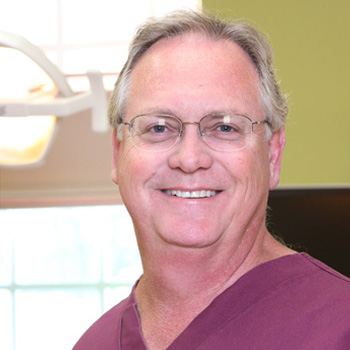
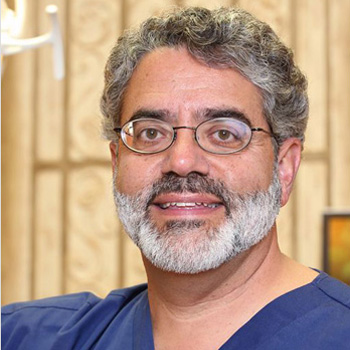
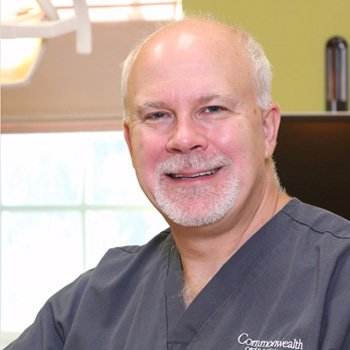
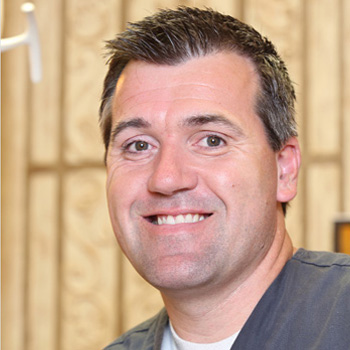
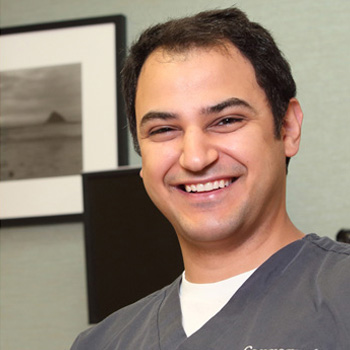
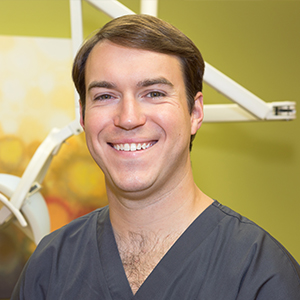
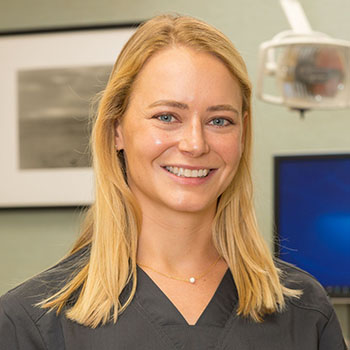
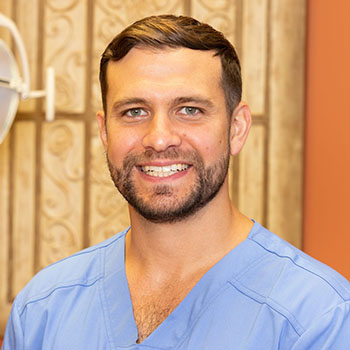
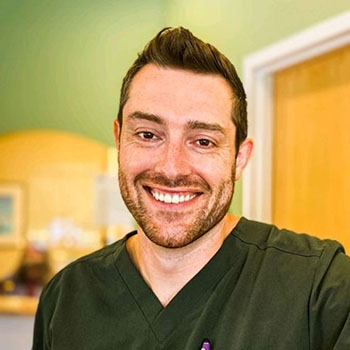
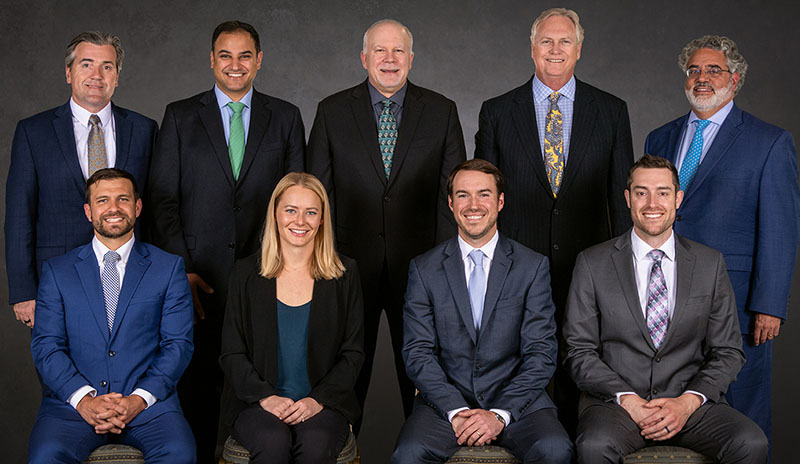
Meet our Oral Surgeons
Board Certified by the American Board of Oral and Maxillofacial Surgeons
James F. Nelson DDS >>
Michael E Miller DDS >>
Thomas A. Eschenroeder DDS >>
Gregory M Zoghby DDS >>
Jeffrey E. Cyr DDS >>
Andrew Ferguson DMD >>


Oral & Maxillofacial Surgeons must be well versed in emergency care, acute treatment and long term reconstruction and rehabilitation. Our surgeons are trained, skilled and uniquely qualified to manage and treat Facial Trauma. All of our doctors received this special training at Virginia Commonwealth University’s Medical College of Virginia.

Injuries to the face, by their very nature, impart a high degree of emotional, as well as physical trauma to patients. The science and art of treating these injuries requires special training involving a “hands on” experience and an understanding of how the treatment provided will influence the patient’s long term function and appearance. Our surgeons are on staff at local hospitals and deliver emergency room coverage for facial injuries, which include the following conditions:

  • Facial lacerations
  • Intra oral lacerations
  • Avulsed (knocked out) teeth
  • Fractured facial bones (cheek, nose or eye socket)
  • Fractured jaws (upper and lower jaw)

The Nature of Maxillofacial Trauma

There are a number of possible causes of facial trauma such as motor vehicle accidents, accidental falls, sports injuries, and work related injuries. Types of facial injuries can range from injuries to the teeth to extremely severe injuries of the skin and bones of the face. Typically, facial injuries are classified as either soft tissue injuries (skin and gums), bone injuries (fractures), or injuries to special regions (such as the eyes, facial nerves, or the salivary glands).

Soft Tissue Injuries of the Maxillofacial Region

When soft tissue injuries such as lacerations occur on the face, they are repaired by suturing. In addition to the obvious concern of providing a repair that yields the best cosmetic result possible, care is taken to inspect for and treat injuries to structures such as facial nerves, salivary glands and salivary ducts (or outflow channels). Our Doctors are well-trained oral and maxillofacial surgeons and are proficient at diagnosing and treating all types of facial lacerations.

Bone Injuries of the Maxillofacial Region

Fractures of the bones of the face are treated in a manner similar to the fractures in other parts of the body. The specific form of treatment is determined by various factors, which include the location of the fracture, the severity of the fracture, the age, and general health of the patient. When an arm or a leg is fractured, a cast is often applied to stabilize the bone to allow for proper healing. Since a cast cannot be placed on the face, other means have been developed to stabilize facial fractures.

One of these options involves wiring the jaws together for certain fractures of the upper and/or lower jaw. Certain other types of fractures of the jaw are best treated and stabilized by the surgical placement of small plates and screws at the involved site. This technique of treatment can often allow for healing and prevents having the jaws wired together. This technique is called "rigid fixation" of a fracture. The relatively recent development and use of rigid fixation has profoundly improved the recovery period for many patients, allowing them to return to normal function more quickly.

The treatment of facial fractures should be accomplished in a thorough and predictable manner. More importantly, the patient's facial appearance should be minimally affected. An attempt at accessing the facial bones through the fewest incisions necessary is always made. At the same time, the incisions that become necessary are designed to be small and whenever possible, are placed so that the resultant scar is hidden.

Injuries to the Teeth and Surrounding Dental Structures

Isolated injuries to teeth are quite common and may require the expertise of various dental specialists. Oral surgeons usually are involved in treating fractures in the supporting bone or in replanting teeth that have been displaced or knocked out. These types of injuries are treated by one of a number of forms of splinting (stabilizing by wiring or bonding teeth together). If a tooth is knocked out, it should be placed in salt water or milk. The sooner the tooth is re-inserted into the dental socket, the better chance it will survive. Therefore, the patient should see a dentist or oral surgeon as soon as possible. Never attempt to wipe the tooth off, since remnants of the ligament that hold the tooth in the jaw are attached and are vital to the success of replanting the tooth. We work closely with other dental specialists, Endodontists, Periodontists, Orthodontists and Restorative Dentists to ensure complete care for our patients. In the event that injured teeth cannot be saved or repaired, dental implants are often now utilized as replacements for missing teeth.

The proper treatment of facial injuries is within the realm of specialists who are well-versed in emergency care, acute treatment, long term reconstruction and rehabilitation, of the patient.

contact      site map


Oral Surgery in Richmond, Midlothian, & Glen Allen, Virginia

Patient Information :: Meet Our Virginia Oral Surgeons :: Oral & Facial Surgery Procedures :: Surgical Instructions
Dental Implant Center :: Contact Our Oral Surgery Offices in Richmond, Midlothian & Glen Allen, VA :: Online Videos

Information & Appointments (804)354-1600

Patterson Avenue Office: 8503 Patterson Avenue, Suite A, Richmond, VA 23229
Innsbrook/Westerre Office: 3811 Westerre Parkway, Henrico, Virginia 23233
Featherstone/Huguenot Rd. Office: 1807 Huguenot Road, Suite 120, Midlothian, VA 23113
Brandermill Office: 5942 Harbour Park Drive, Midlothian, VA 23112

Website Design by PBHS
Copyright © 2005